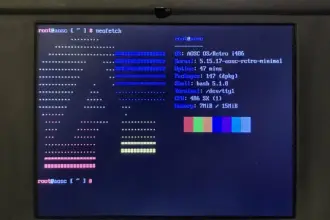



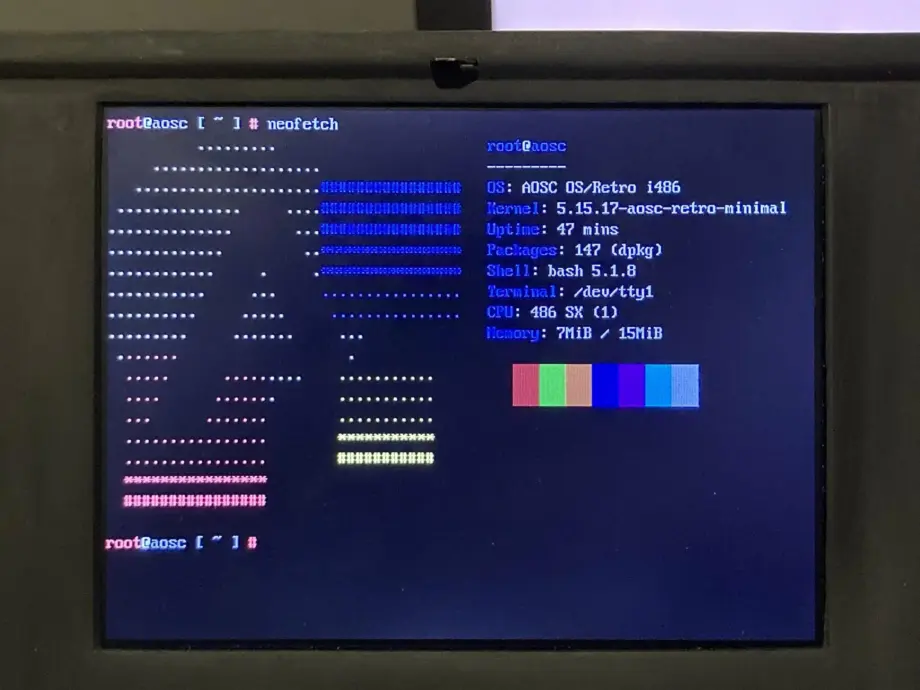
In terms of current Linux, it could be time to retire your 37-year-old Intel 486 system because OS kernel developers seem to have begun to remove support for this venerable CPU. According to Phoronix, fixes intended for the Linux 7.1 kernel appear to have verified the change. In order to get a few more years out of the platform, people who still treasure their 486 PCs and use them to run a recent version of Linux should probably make sure they run one of the current Linux LTS kernels. As an alternative, they might upgrade to a Pentium or perhaps one of the top CPUs on the market in 2026.
It should come as no surprise that 486 support has been patched out. First of all, it is outdated—the first examples were published in 1989—and contemporary Linux distributions are becoming increasingly resource-hungry. Second, Linus Torvalds, the man behind Linux, has hinted that 486 support would be discontinued. According to the Linux tycoon, there is “zero real justification” to keep supporting the 486 CPU. He even said that it was harmful to upstream Linux kernel development efforts to continue supporting it.
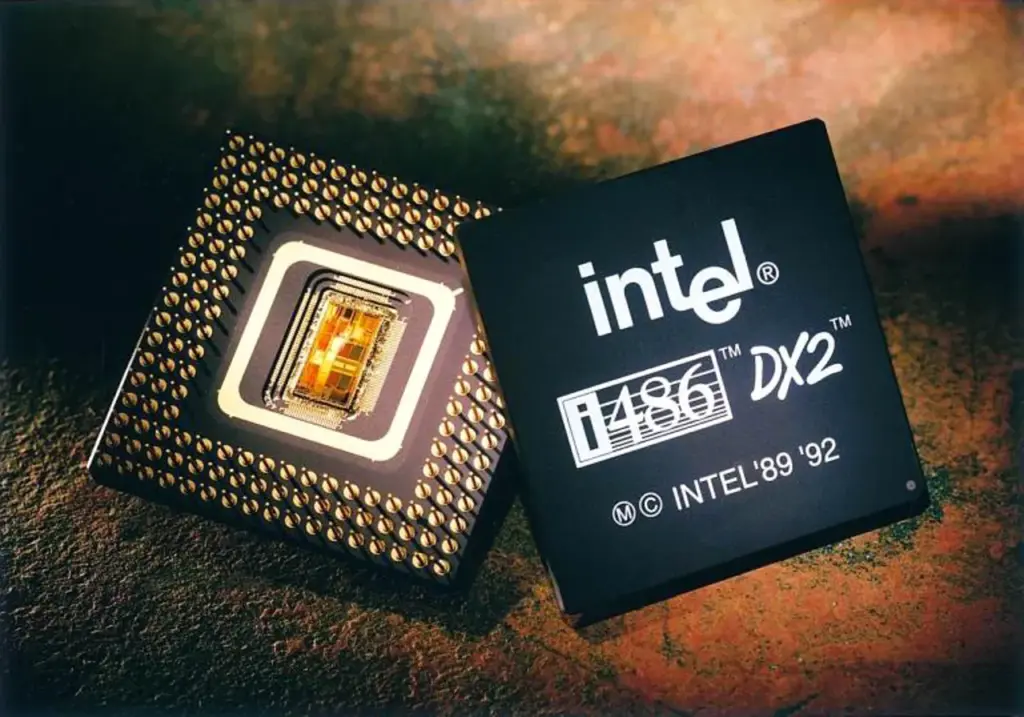
However, developer Ingo Molnar is likely to be remembered as the gallowsman. According to Phoronix, Molnar wrote a patch “that first takes rid of the CONFIG_M486SX, CONFIG_M486, and CONFIG_MELAN Kconfig build option.” It essentially indicates in code that the 486 is on borrowed time.
“In the x86 architecture we have various complicated hardware emulation facilities on x86-32 to support ancient 32-bit CPUs that very very few people are using with modern kernels,” commented Molnar in a note accompanying the patch. “
Sometimes, this compatibility glue even causes issues that people have to spend time fixing when they could be doing other things. Then, in order to remind readers who signed the death certificate for the 486, he restated some of Torvald’s comments.
We are confident that using outdated Intel 486 PCs will continue to be enjoyable and even productive. For instance, we reported earlier this year that an open-source 486 motherboard was created from the ground up and passed compatibility tests for Linux, DOS, Doom, and other operating systems.