RGB LED backlighting is the next big thing in TVs; this has been evident since the technology was originally introduced at CES 2025 in January, and all of the major TV manufacturers stated they will support it.
After almost a year, Hisense released the first of these TVs in the US and the UK, and we now know what the upcoming RGB TV lineups from Samsung, LG, TCL, and Hisense will look like. (Sony has only shown prototypes of the TV it plans to release this year; the final model has not yet been disclosed.)
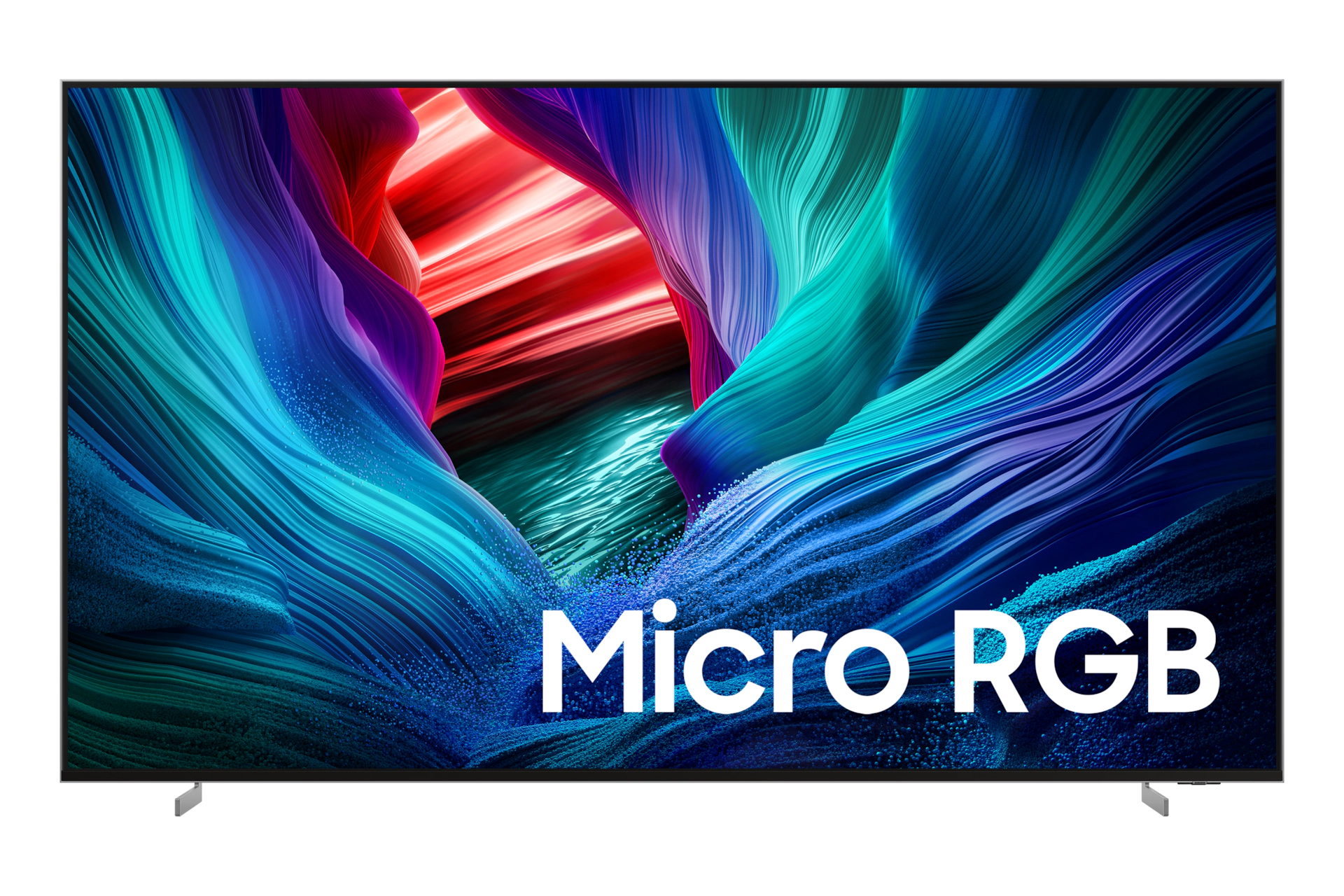
So far, at least, Hisense and TCL refer to the technology as RGB MiniLED, while Samsung and LG name it “Micro RGB.”
Here’s what you need know about the technology underlying RGB TVs, as well as what to anticipate from the major TV manufacturers competing to get these new models on our highly sought-after list of the finest TVs. We’ll learn even more at CES 2026 in January.
What is ‘Micro RGB’ LED?
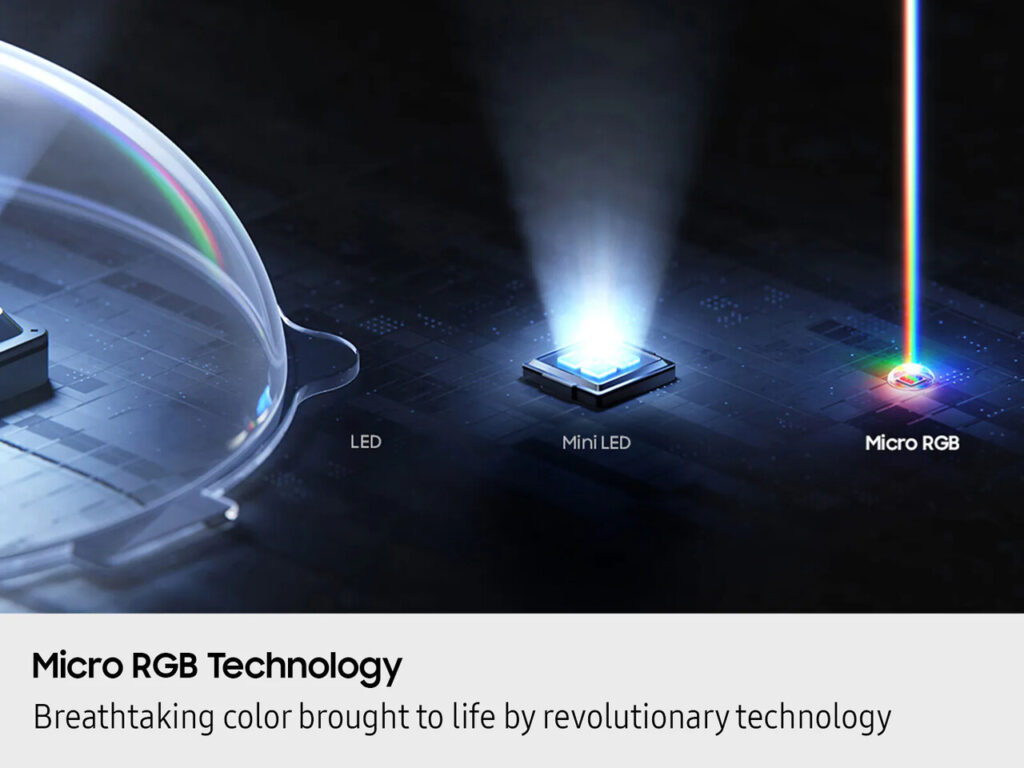
In order to create the final image you see, regular LED and mini-LED screens shine a bright light of a single color through a grid of color-filtering pixels. These pixels then transform the light into the appropriate colors that each individual pixel needs to display.
The backlight is typically blue (though it can occasionally be white or a combination of two tones), and liquid crystals are used in each pixel to change its color as needed. Another common application for quantum dots is color modification.
As the names imply, the only distinction between LED and mini-LED is the size of the LED lights that shine through the pixels. Smaller LEDs allow you to use more of them, producing colors that are brighter and more evenly illuminated. They also make it easier to selectively dim specific regions of the light, which helps to improve the contrast between the light and dark portions of the image.
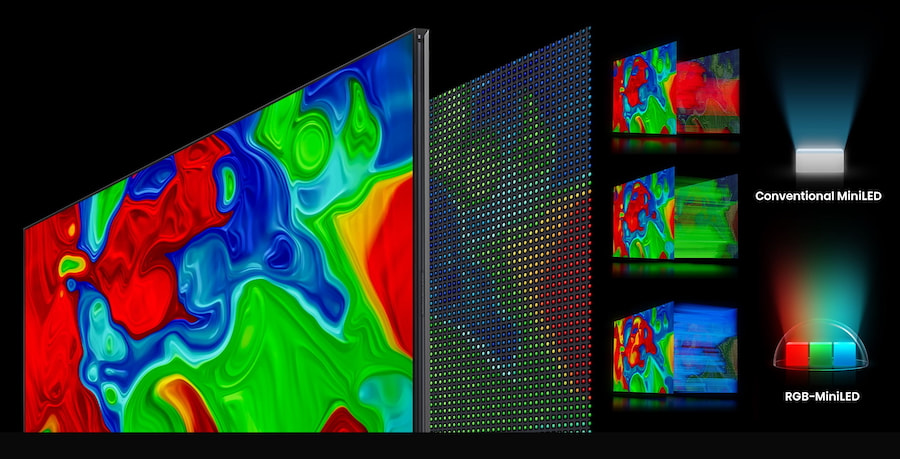
RGB LED TVs function similarly to other mini-LED TVs in that a grid of color-changing pixels is illuminated by a layer of small lights, but the LEDs aren’t simply one hue. Even before the light reaches the color-filtering pixels, each mini-LED may mix its red, green, and blue components—thus the name—to shine in essentially the correct color for that area of the screen.
After then, the pixels continue to filter the colors to the exact final hue, although they are performing a lot less work than they were in the previous generation of mini-LED technology.
What advantages does this offer? First, it implies that the TV can provide a greater variety of colors. RGB TVs claim to be able to display far more than 100% of the DCI-P3 color gamut, which is the coloring scheme used for HDR films and television. This means that they will be able to display all that the creators could possibly want you to see. Additionally, they will cover 100% of the BT.2020 color gamut, which is utilized in professional settings.
Additionally, it ought to be more effective than earlier technology. Every time you filter colors, some energy is lost, which lowers brightness. Because quantum dots lose less energy than conventional LCD pixels, this is one of the reasons they are utilized.
However, you lose less energy if you don’t have to filter the colors as much, as is the case with RGB TVs. This implies that new TVs have the potential to be even brighter than existing models or to achieve the same brightness while using less energy.
Additionally, Sony informed me that the technology should aid in bringing mini-LED’s ability to handle sharply contrasted areas even closer to that of OLED. The greatest OLED TVs are adored by consumers since each pixel produces its own light and can be muted to complete blackness, which is just one pixel away from stunning brightness in the on-screen image.
Because LED TVs have a large light shining behind the pixels, light seeps from the bright area into the dark areas, causing gray “halos” where there should be complete darkness, making them difficult to match.
However, as different light wavelengths are absorbed differently, RGB TVs may get closer to the “perfect” contrast of OLEDs when the light shining behind the pixels changes hue, making it less likely to leak.
What are Samsung’s Micro RGB TV plans?
At CES 2025, Samsung showed me a prototype of the first RGB TV I had ever seen and announced that it will release a TV before the year was out. It achieved that goal with plenty of time to spare, releasing a 115-inch RGB model in August. Of course, what’s most intriguing is what will happen next.
It seems that Samsung will introduce a number of Micro RGB models targeted at various price points: the MR85H will be the least expensive, the MR95H will be the highest-end, and the MR90H will be premium but not as premium. How reasonably priced, you wonder? When I originally viewed the Samsung prototype, the firm informed me that the technology shouldn’t be significantly more expensive to produce than existing mini-LED technology, but we still don’t know and probably won’t until spring 2026. However, I wouldn’t be shocked if the initial models were priced similarly to Samsung’s most expensive mini-LED TVs right now.
Samsung claims that the TVs will use a new Micro RGB AI Engine Pro image processor to maximize the technology and will cover 100% of the BT.2020 color range.
Notably, Samsung’s Glare Free screen coating—a matte surface on the screen that reduces reflected reflections to a light haze to eliminate distractions in bright rooms—will make at least some of its TVs stand out. This year, we really enjoyed this on the Samsung S95F OLED TV.
Mini-LED TVs you can buy
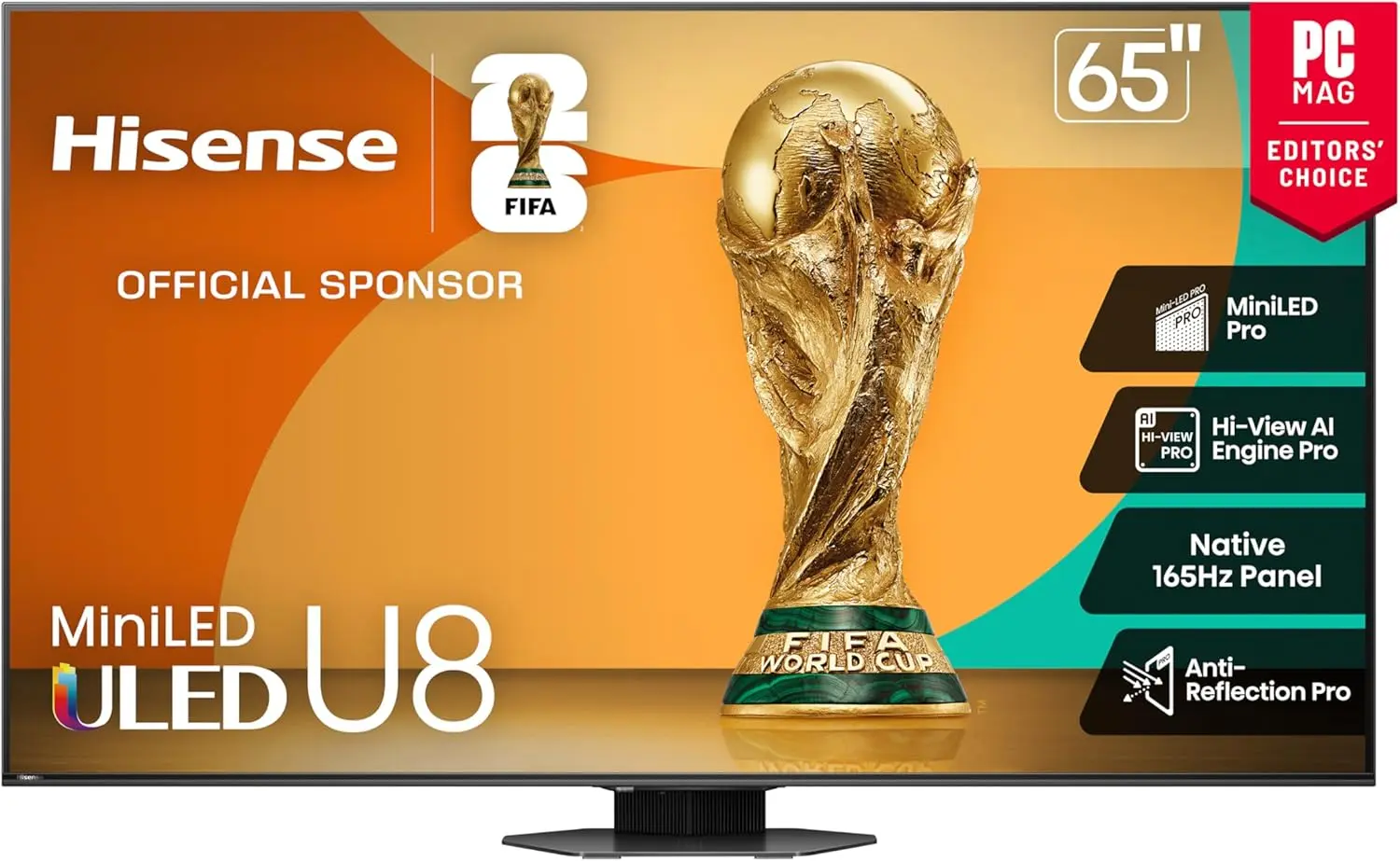
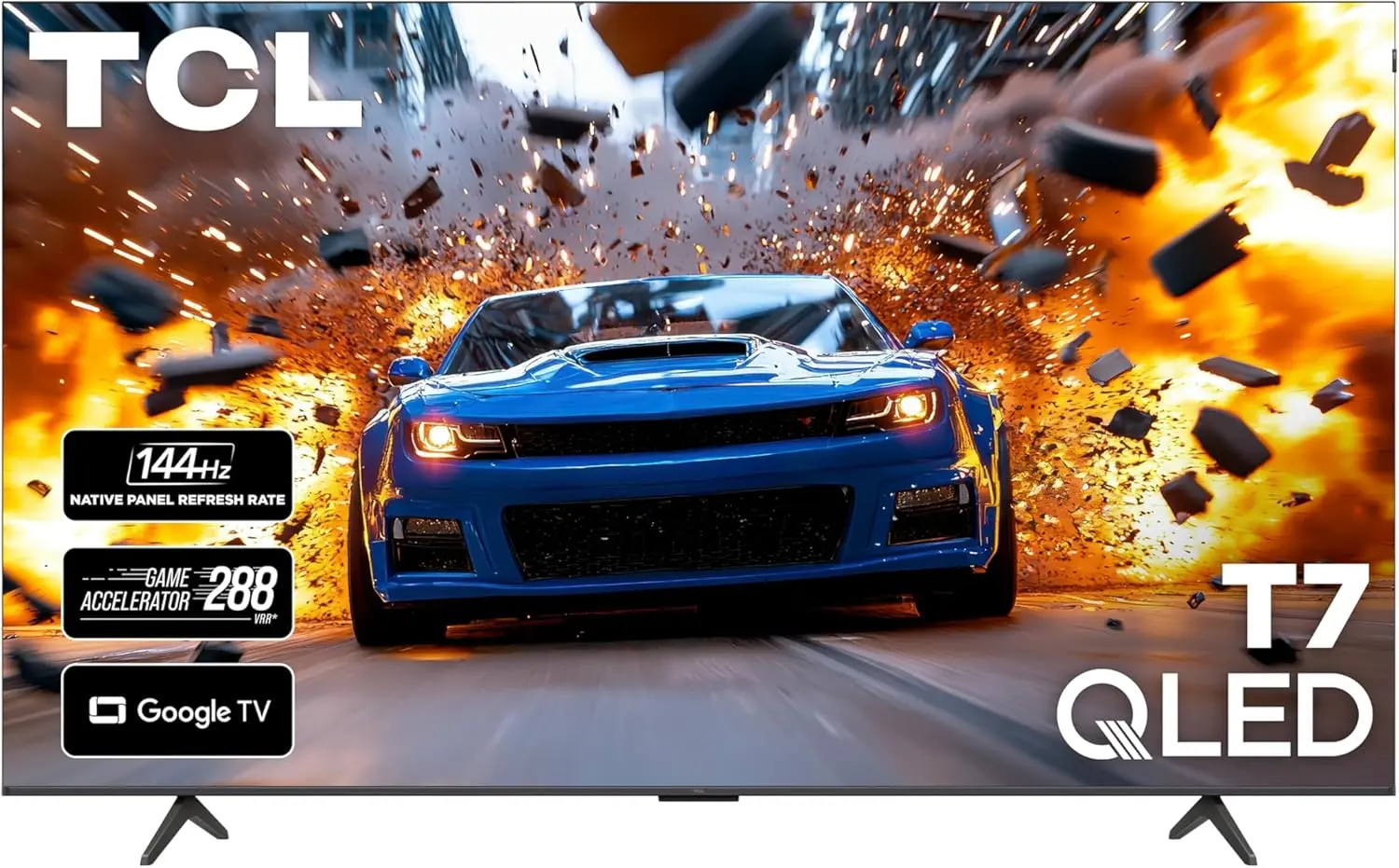
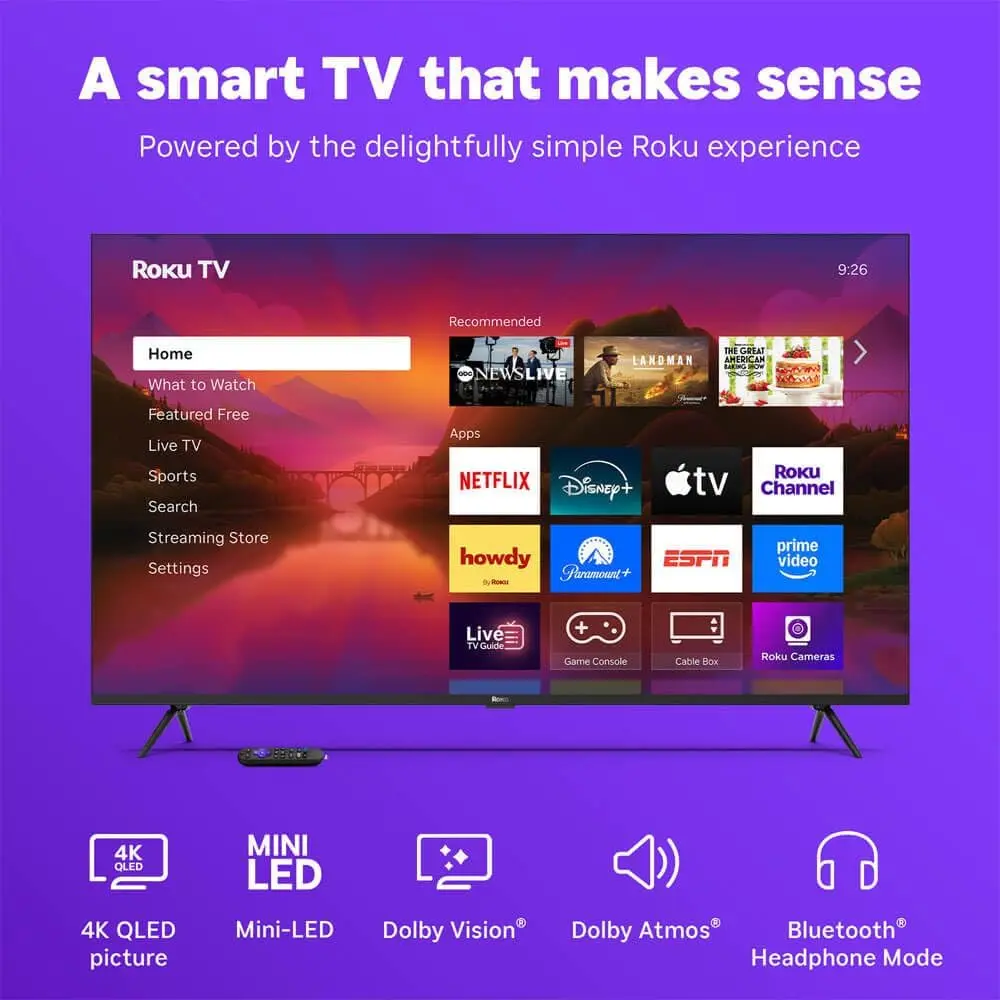
While Mini-LED RGB technology is still evolving, several manufacturers already offer TVs that use Mini-LED backlighting with advanced local dimming and wide color control, delivering significantly higher brightness, contrast, and color accuracy than traditional LED-LCD panels.
Here are some notable Mini-LED TVs worth considering:
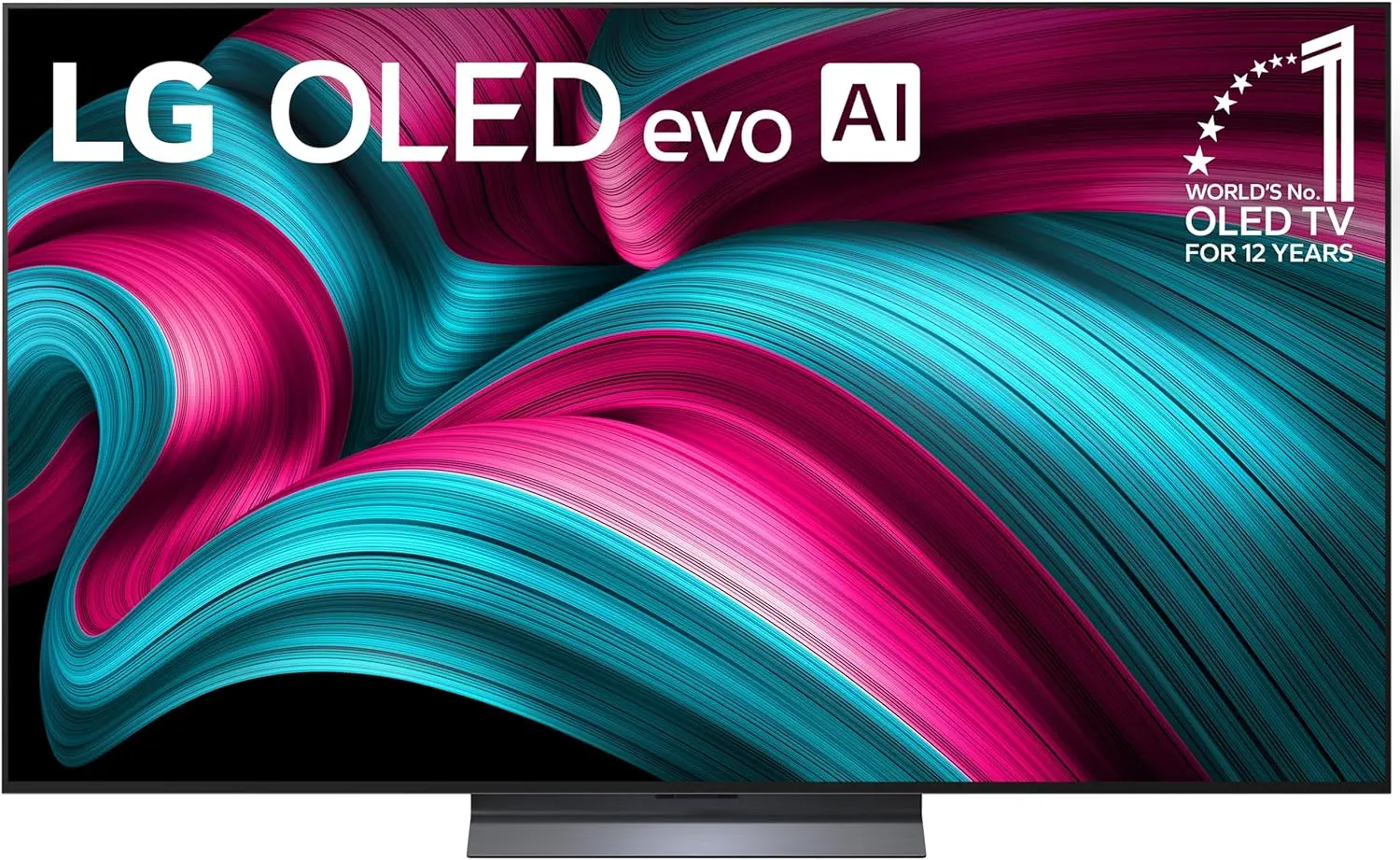
G OLED evo AI 4K C5 Series
Celebrating 12 years of perfecting award-winning OLED TV technology.