
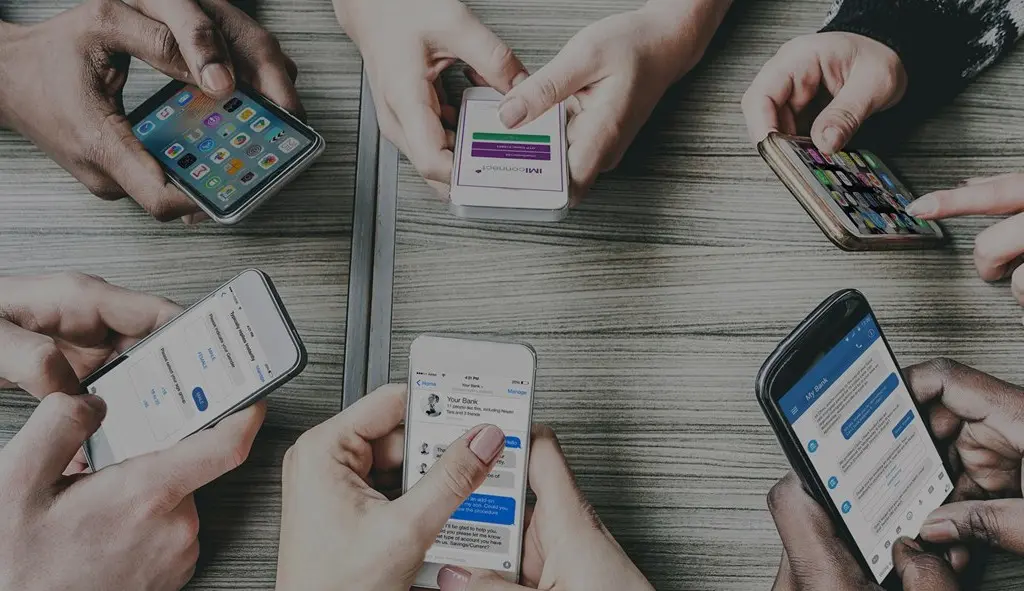
Do you believe you have a smartphone addiction? It’s unlikely that most of us would want to acknowledge that. Most likely, we believe that we can put our phones down whenever we want. However, a poll by tech recycling specialists Compare and Recycle indicates that more people are looking for indications of phone addiction. Additionally, their poll revealed several intriguing and unsettling items that people would prefer to give up than their smartphones.
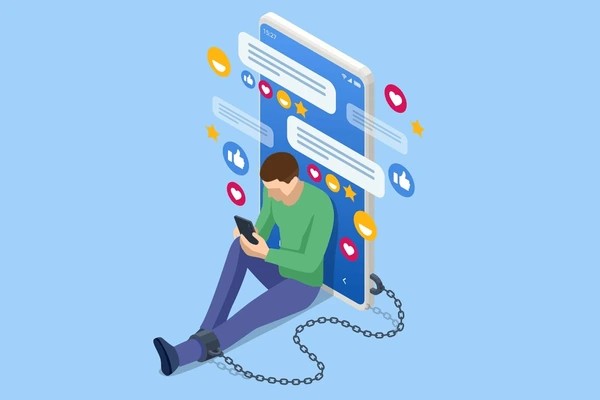
Smartphone addiction test: licking a sidewalk beats giving up your phone
Google searches for indicators of phone addiction have increased by a staggering 461% in the last year, according to the report. Similar to this, inquiries about symptoms have increased by 200% in the past month alone. But how dependent are we on our phones? Do you think you might be able to give it?
The results of a nationwide poll conducted by Compare and Recycle, which asked respondents what they would rather give up than endure a week without their cell phone, are concerning, if rather amusing. Two-fifths of respondents to the study stated that they would prefer to completely give up caffeine than go seven days without using a phone. Nearly 25% would not see anyone for a week. 18% of individuals would stop taking showers, and one in seven would choose to shave off an eyebrow.
One in fourteen would choose to kiss a public pavement than give up their device, which is even more ridiculous. Gen Z also demonstrated the strongest attachment, according to the report. Instead of going seven days without using their phones, some study respondents indicated they would rather walk over hot coals, jump out of an airplane, or even have a tattoo selected by a stranger.
Recognizing the warning signs of smartphone addiction
It’s okay if these poll results make you anxious and wonder if you could be dependent on your phone. This can be the necessary wake-up call for you. If so, you may want to look at your own smartphone usage patterns. According to a 2021 study, Americans check their phones 262 times a day. That is equivalent to once every five and a half minutes.
Since 2014, the addiction has even been officially linked to an anxiety disease known as “nomophobia.” According to Lee Elliott, Chief Product Officer at Compare and Recycle, we have an entirely unhealthy relationship with our gadgets. On the other hand, Google and Apple platforms offer features to help you monitor how much time you spend on your gadgets. This includes Google’s Digital Wellbeing program, which can assist you in keeping an eye on and controlling how much time you spend on devices.