
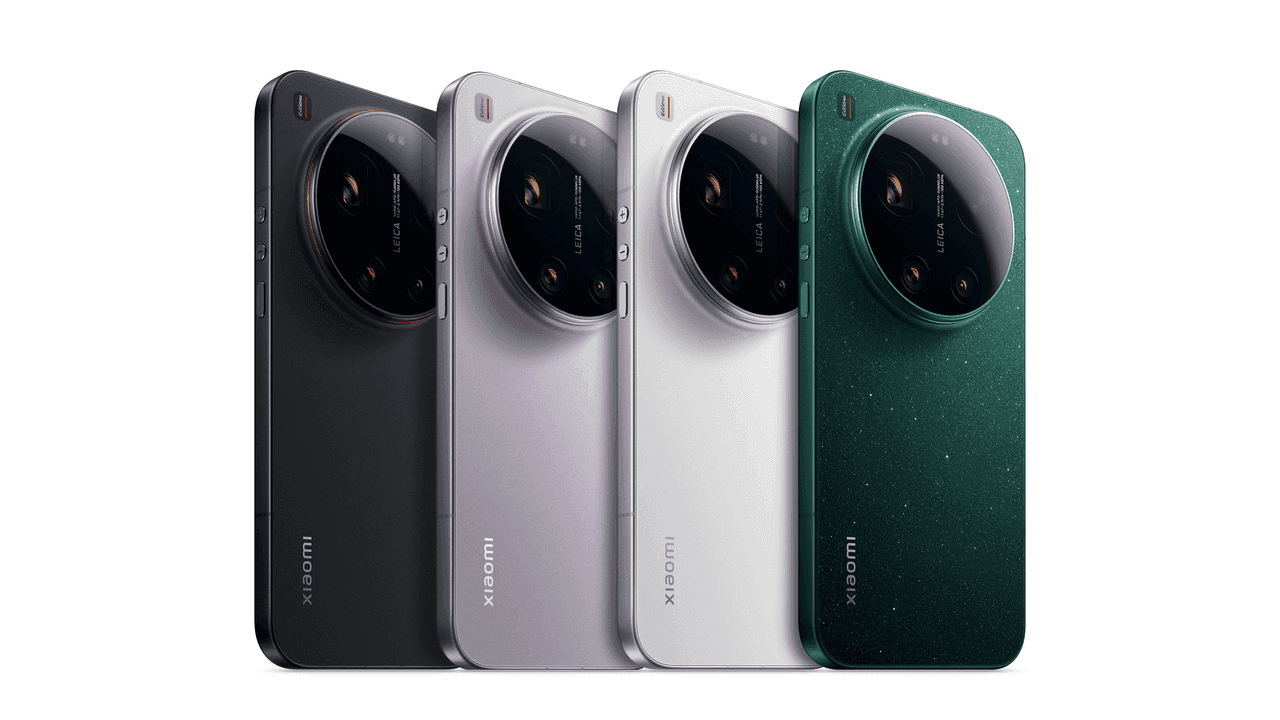
New information retrieved from MI code indicates that the company is developing a global version of the Xiaomi 17 Ultra, which differs significantly from the China-only variant in terms of hardware. In particular, the worldwide version will have a smaller battery. This modification does not affect the device’s basic positioning in terms of performance, but historically, Xiaomi has used similar strategies during international launches, so it is not surprising.
How battery size varies between China and global versions of the device
The most crucial difference between the two versions, however, is their battery size: although the Xiaomi 17 Ultra hits the Chinese market with a 6,800 mAh battery, its global counterpart will reportedly come with a 6,000 mAh unit. Looking at that, such a cut seems related more to different regional certification requirements and some internal design changes rather than cost-cutting measures.
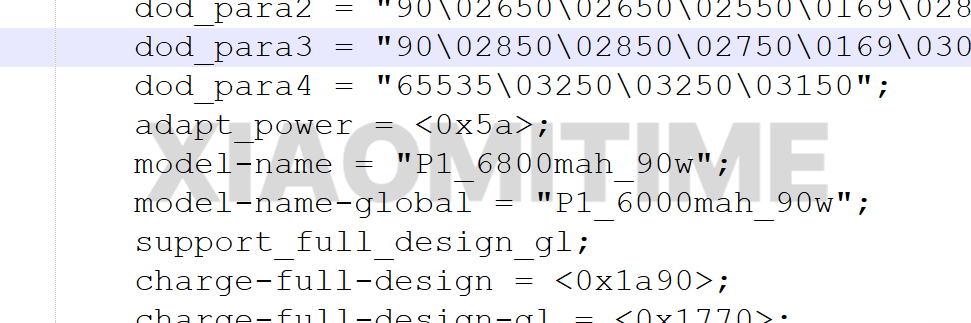
Xiaomi is not altering the charging technology despite the lower battery. Additionally, the global Xiaomi 17 Ultra will enable 90W wired fast charging, guaranteeing competitive charging times and preserving the high-end user experience typical of the Ultra series.
Xiaomi 17 Ultra other specs
Everything else is largely consistent across areas, with the exception of the battery adjustment. Carrying on Xiaomi’s Ultra philosophy, the Xiaomi 17 Ultra will probably be heavily focused on camera performance.
The anticipated camera configuration consists of:
- 50MP OV10500U 1-inch main sensor
- 200MP Samsung ISOCELL HPE periscope telephoto camera
- 50MP ultra-wide-angle camera
The Xiaomi 17 Ultra will be among the most potent Android smartphones in its class thanks to its Snapdragon 8 Elite Gen 5 CPU. It is anticipated that the device’s memory and storage options will essentially stay the same across various markets.
About price
As memory and component costs rise, prices may also. In China, the Xiaomi 17 Ultra’s price may increase by 500–1000 yuan, or roughly $70–$140 USD. Global pricing has not yet been verified because these prices are based on data from China.
In the past, Xiaomi has modified its worldwide prices according to local market conditions, logistics, and taxes. The battery reduction is more of a strategic regional adaptation than a sign of a reduced market positioning.
The comprehensive budget, often called the master budget, is created by combining the strategic budget and the LOB development.
Editorial Ethics & Disclosure: Our evaluations, reviews, and reporting are conducted independently. Learn more about our editorial ethics and affiliate disclosures.

About Robert
Robert Haba is a tech writer and gadget enthusiast at Gadgetts, covering the latest in consumer electronics, smart devices, and emerging technology. With a passion for hands-on testing and honest, no-fluff reviews, Robert helps readers make smarter buying decisions. When he's not unboxing the newest tech, he's deep-diving into how everyday gadgets can make life a little easier.
Related Coverage
 Smartphones
Huawei's Kirin 2026 test data shows major power and heat gains
Huawei Semiconductor Business Unit President He Tingbo has presented an updated Tau Law paper detailing real-world Kirin 2026 test results, covering everything from heat dissipation to power consumption on the upcoming mobile chips. According to Tingbo, the new chipsets show a 55% increase in transistor density, alongside a 66% cut in NPU power consumption. GPU
 AI
Google adds free textbooks to Gemini Notebook for students
Google added free textbooks to Gemini Notebook from OpenStax and S Chand, letting students generate flashcards, practice quizzes, and citations.
 Laptops & PCs
Apple explores an OLED iMac, but a release remains years away
Apple is exploring an OLED iMac, according to Mark Gurman, though a release could be years away as desktop panels remain costly.